01
Engineering & design
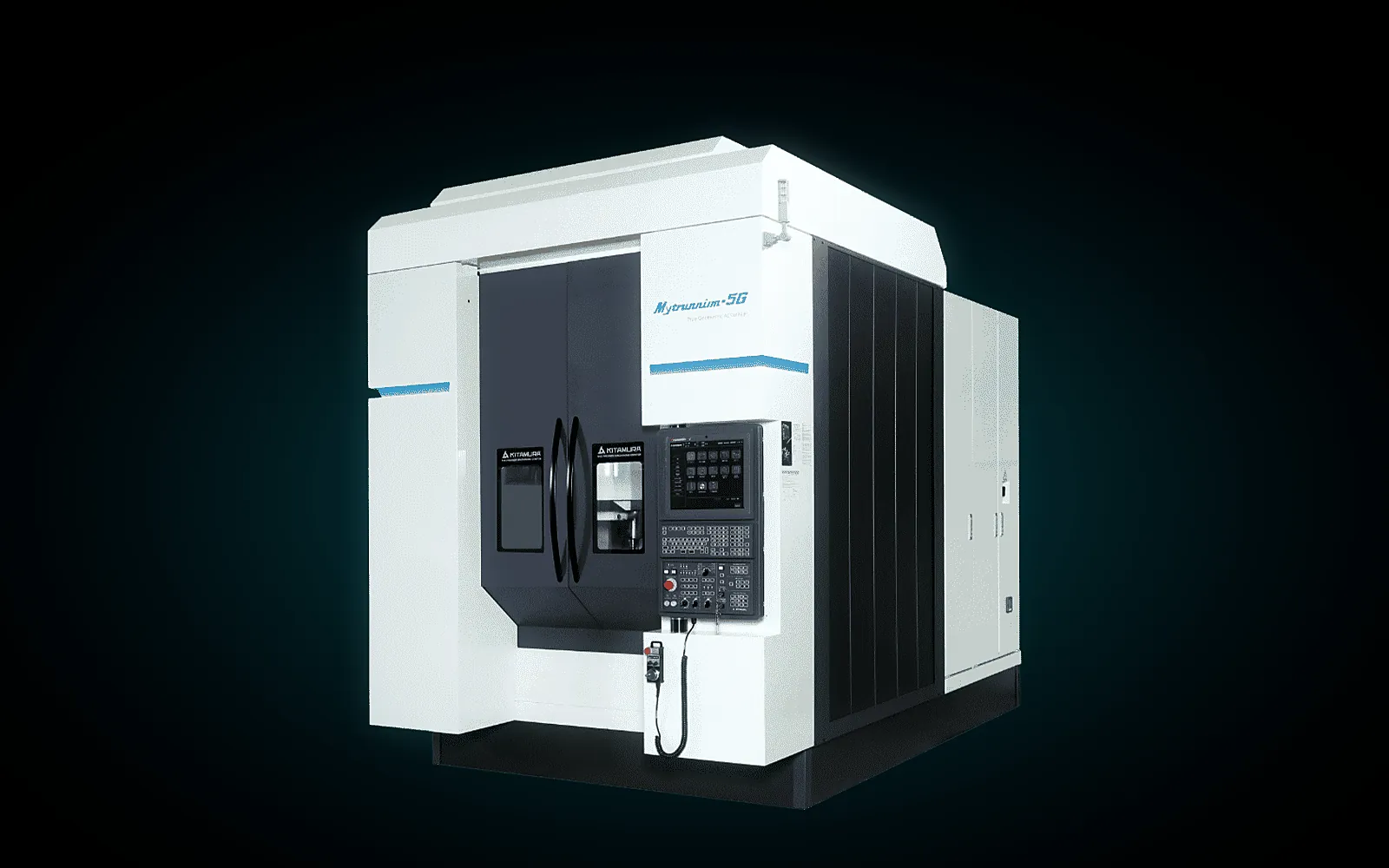
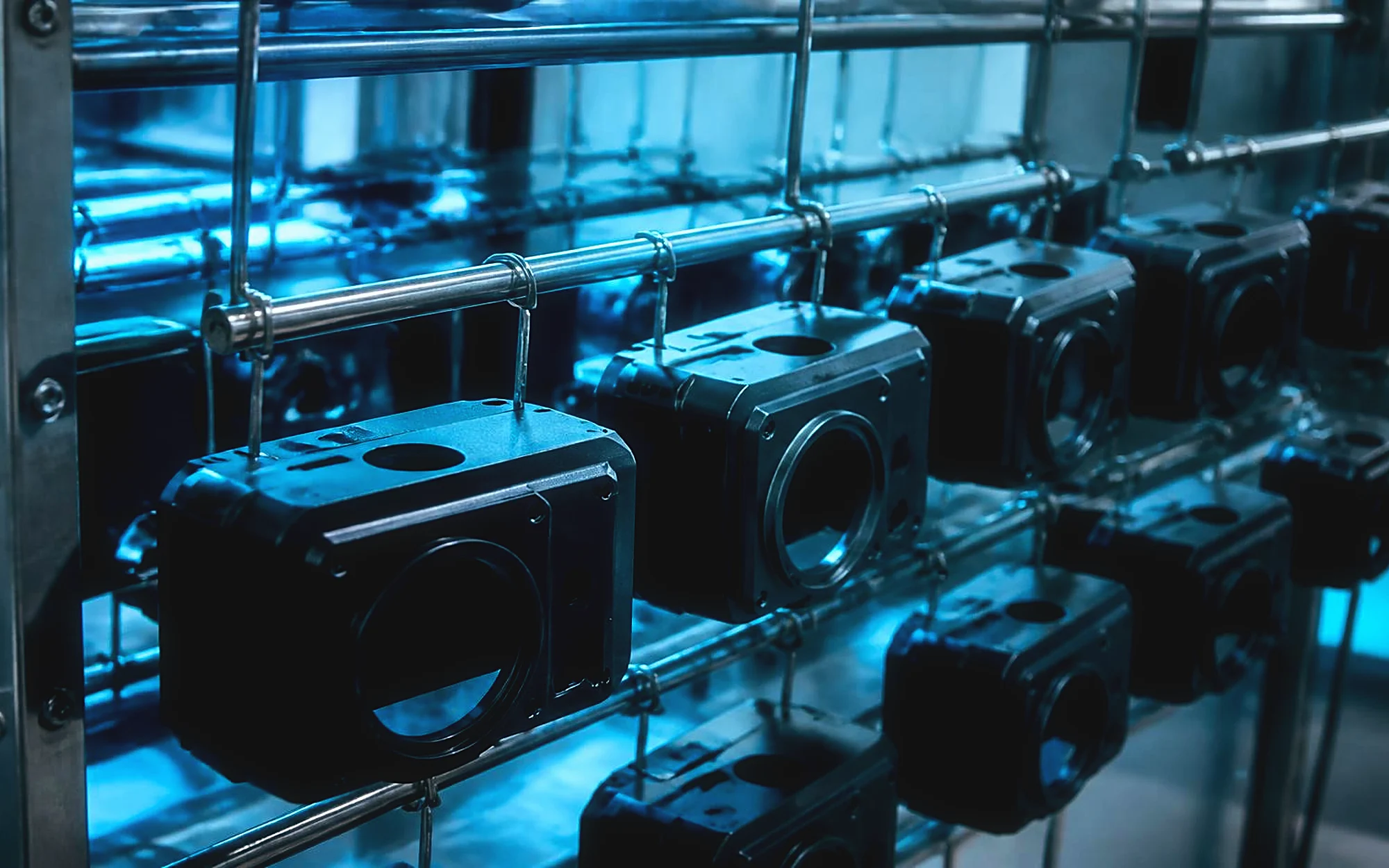
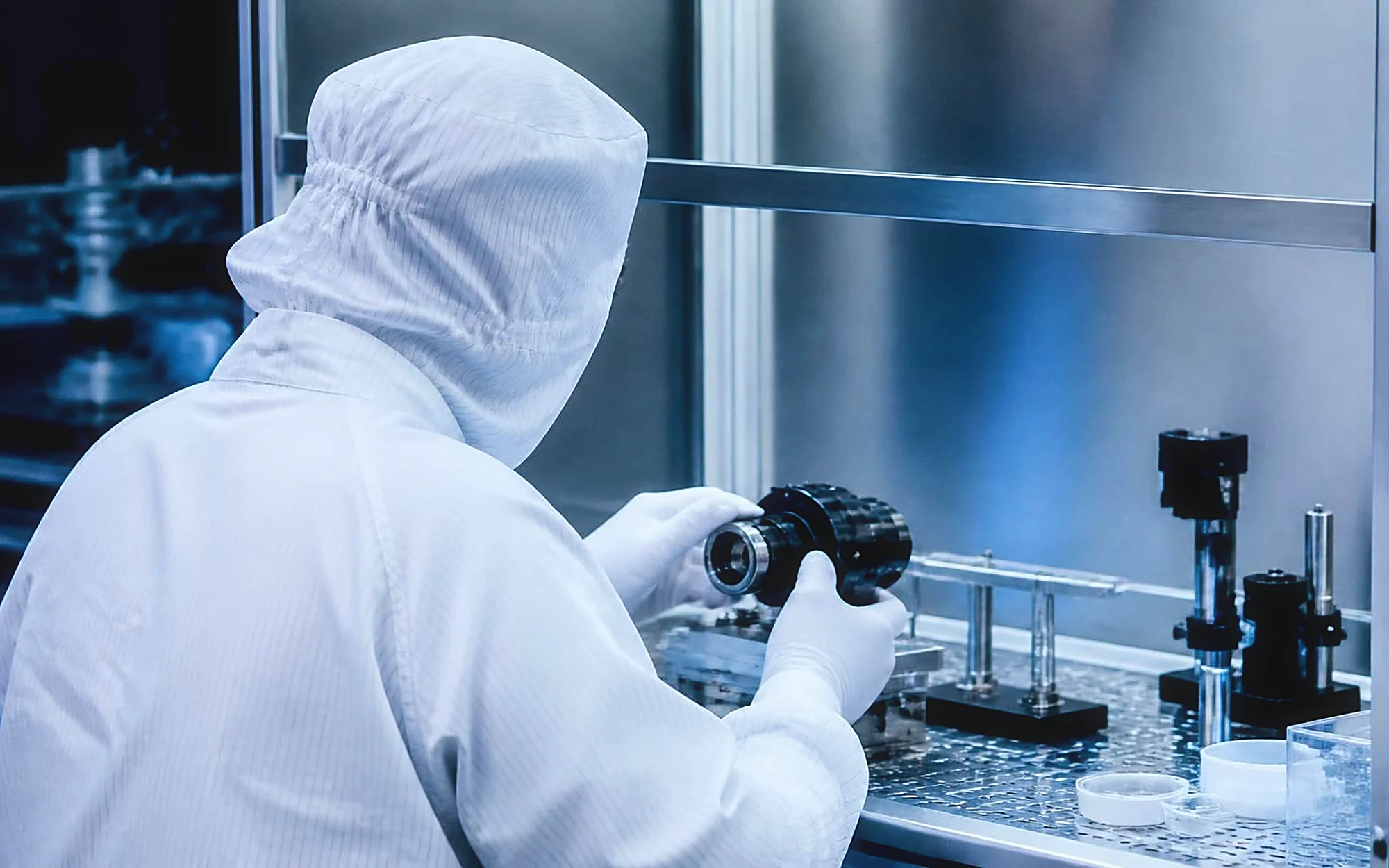
Our mechanical, electrical and software engineers design each camera, from the sealed sensor chamber and its cooling to the firmware and the open-source SDK. New models go through a documented review with risk analysis, prototyping, verification and validation before they reach the production floor.
02
Incoming inspection
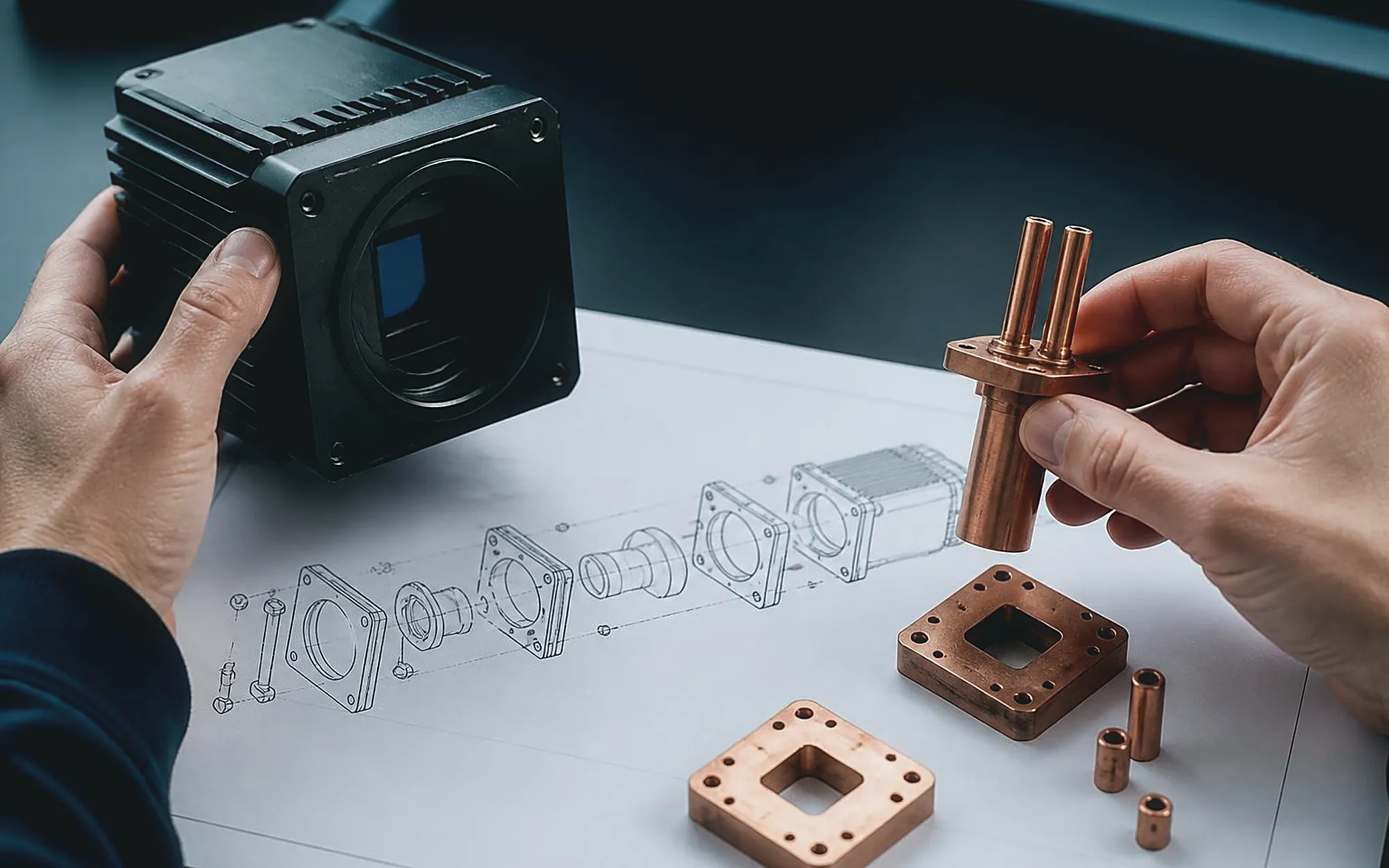
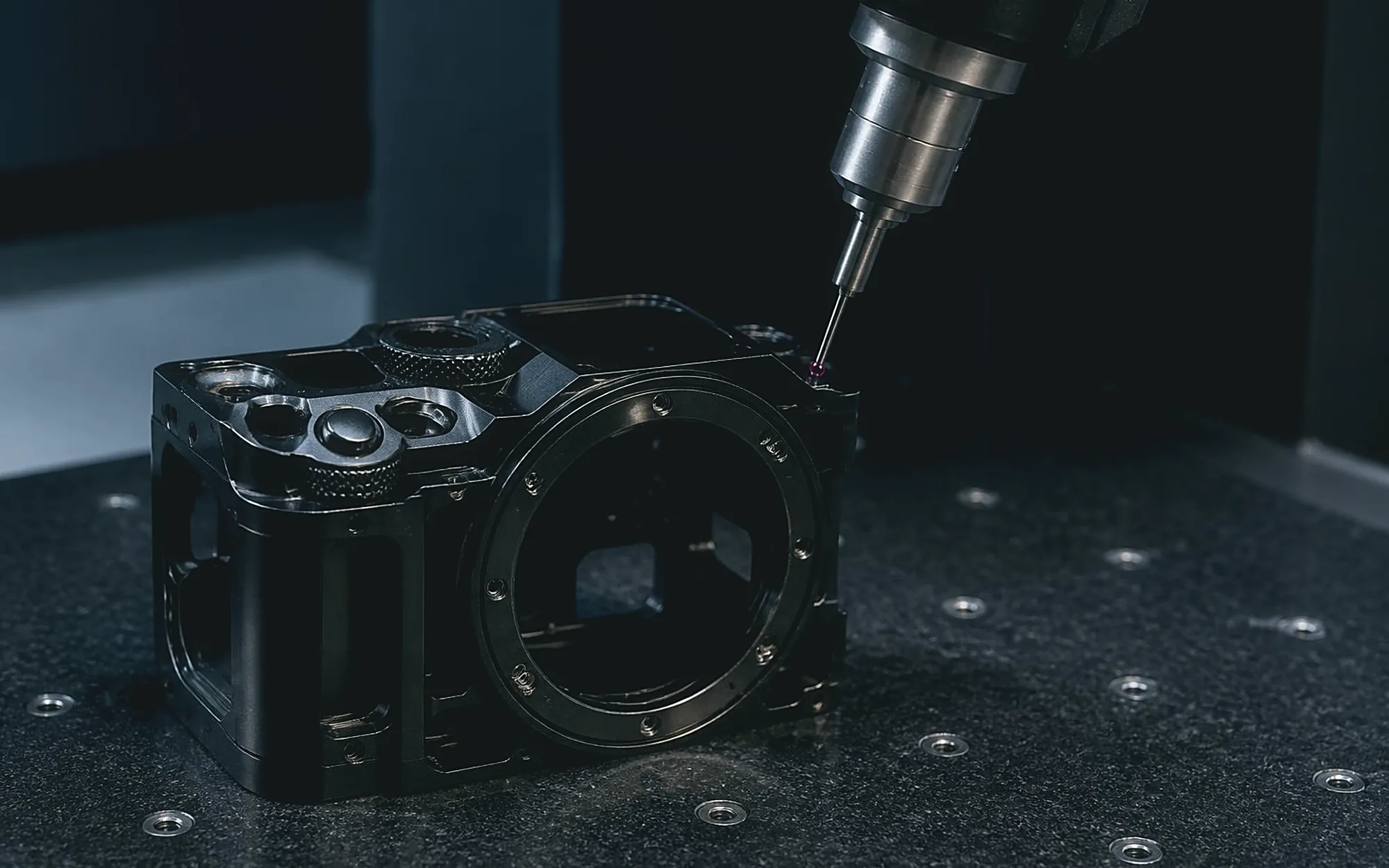
Parts and components are inspected before they go into stock. Lots are sampled to the ANSI/ASQ Z1.4 standard against the critical features our engineers define, and anything that fails is quarantined.
03
Inventory & stock
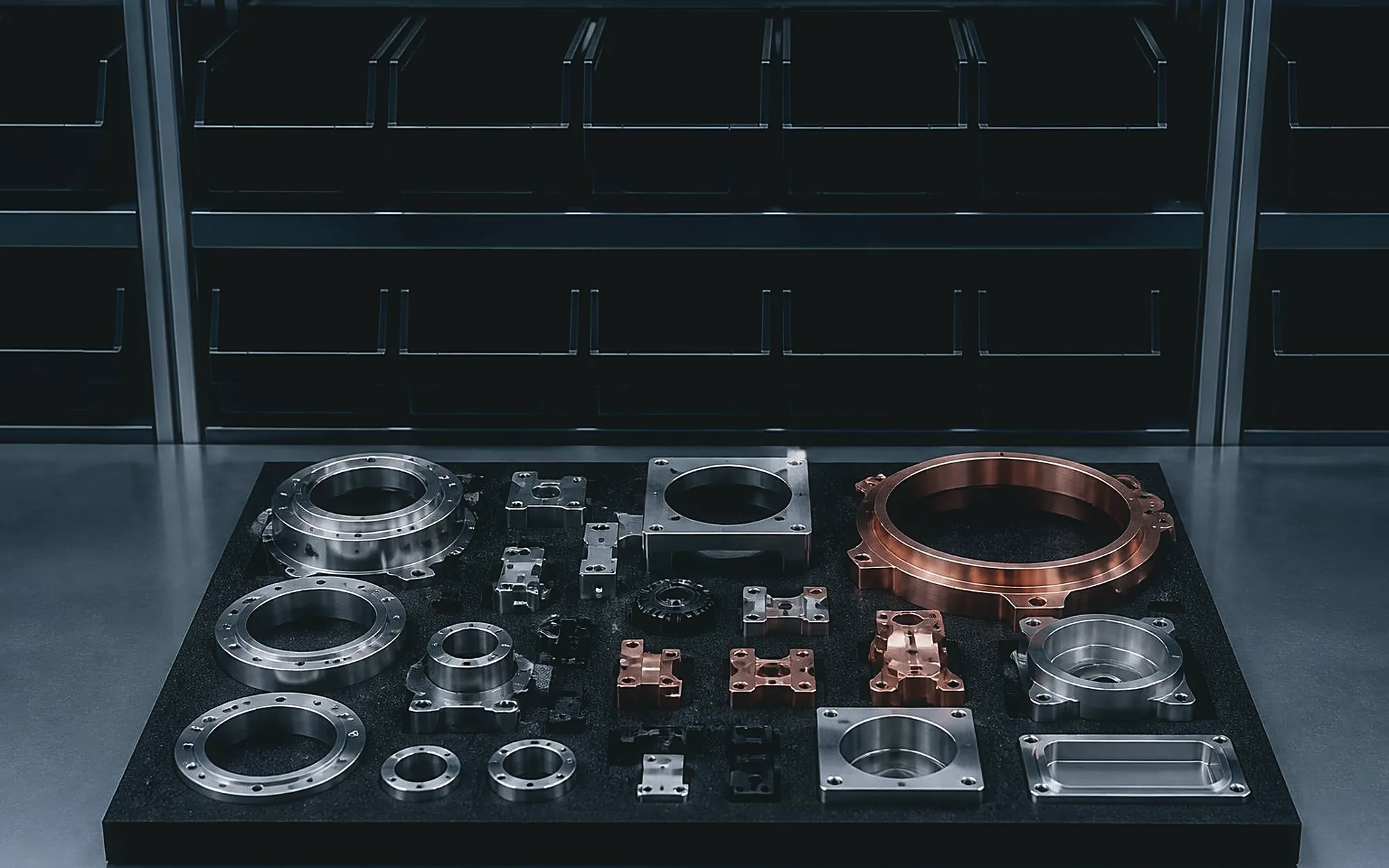
Parts are held in controlled stock rooms and ESD bins and are kitted against a build sheet before they go to the line. Sensors, shutters and boards are tracked by serial or lot number from receiving to the finished camera.
04
Board finishing & soldering
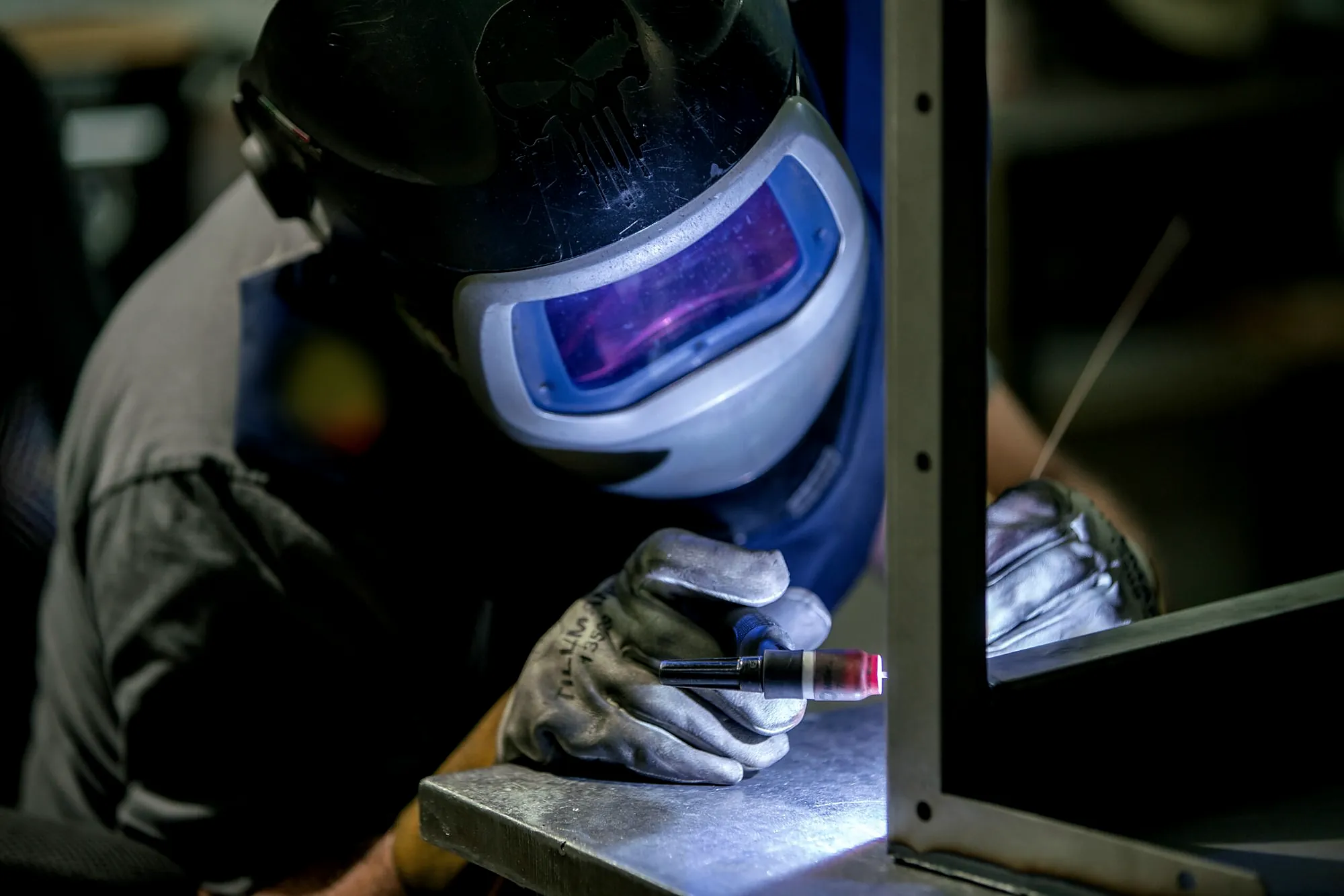
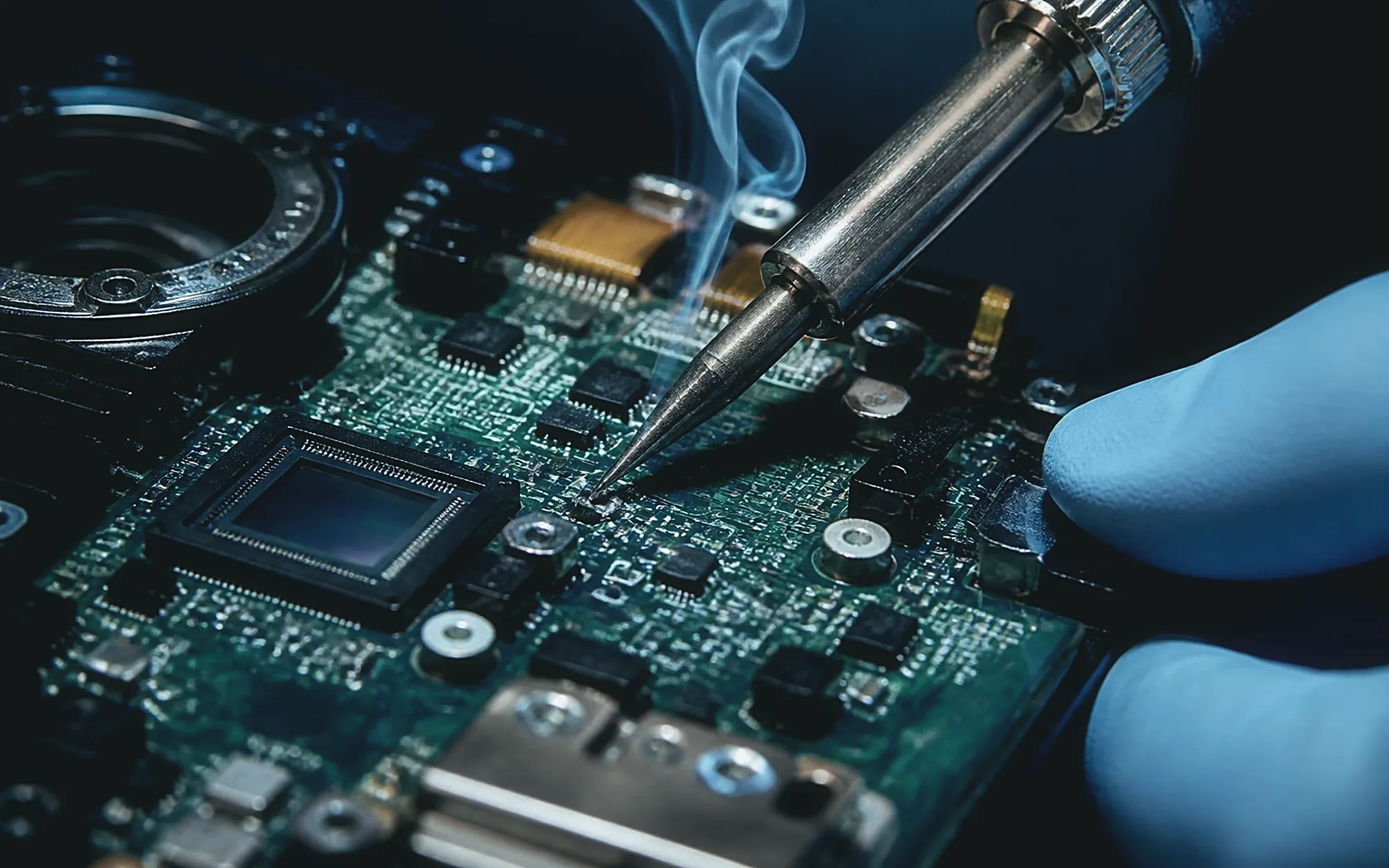
Every board set is kitted against its camera's build sheet. Our solder technicians finish, inspect and initial each board set before test, so every board traces back to the technician who finished it.
05
Board test
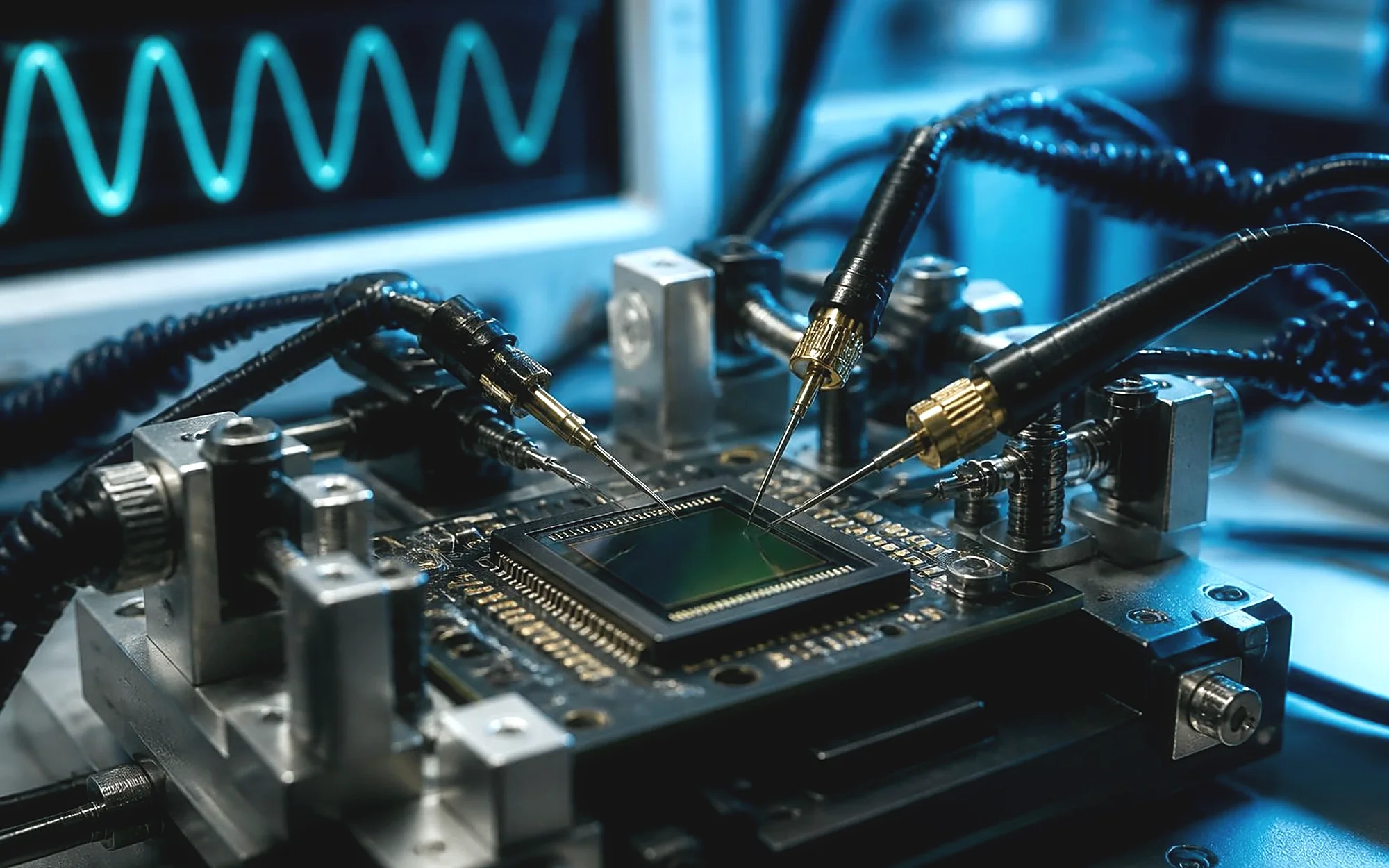
Before a board set goes near a sensor, it is checked for resistance and voltage, loaded with its firmware and cooler control code, and its signals are verified on an oscilloscope.
06
Camera windows & glass handling
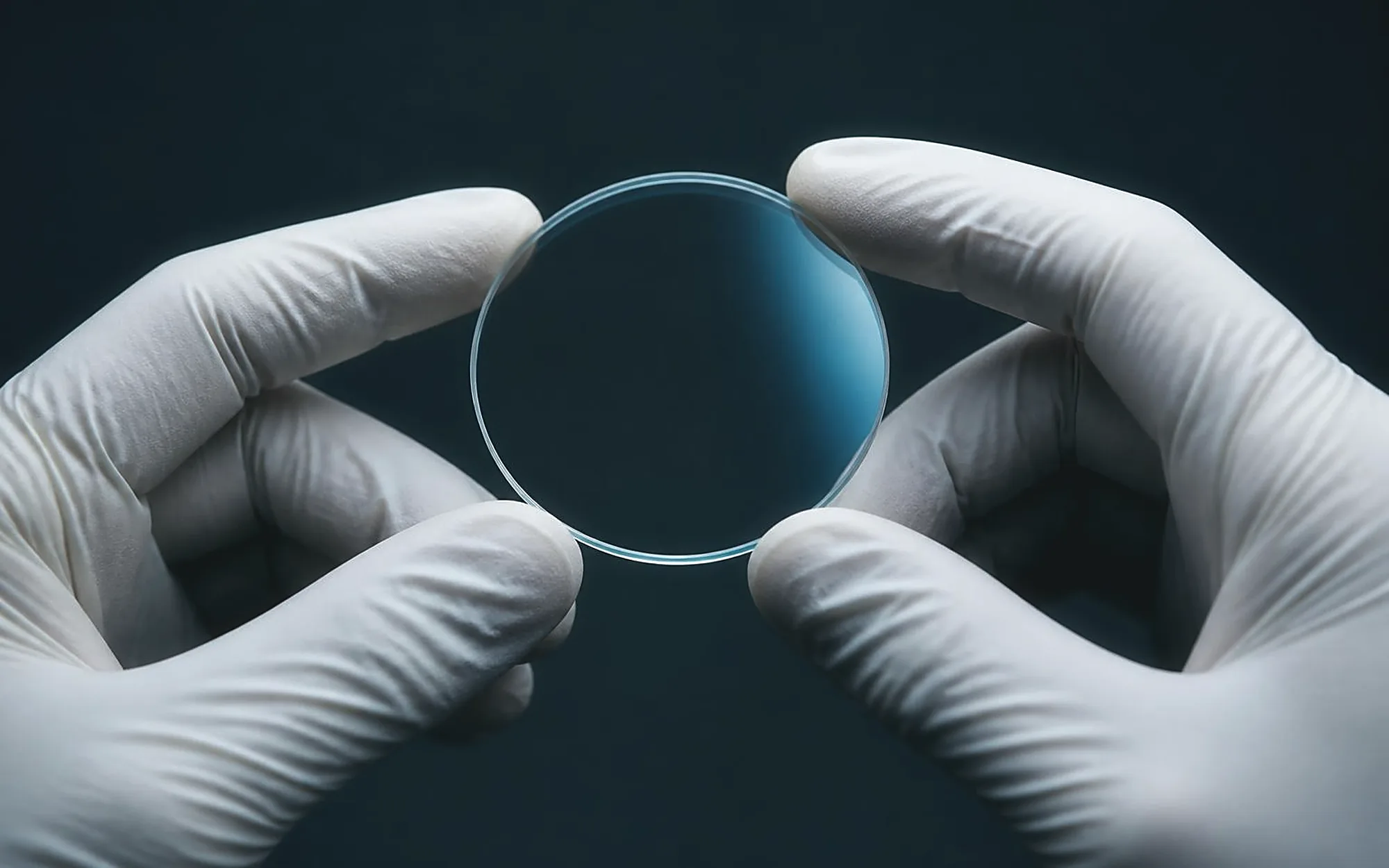
Window options include standard optical windows and, on selected models, UV fused silica. Windows are cleaned and handled only with gloves, then go into the chamber during clean room assembly. Anti-dew technology is available on selected models.
07
Clean room sensor assembly
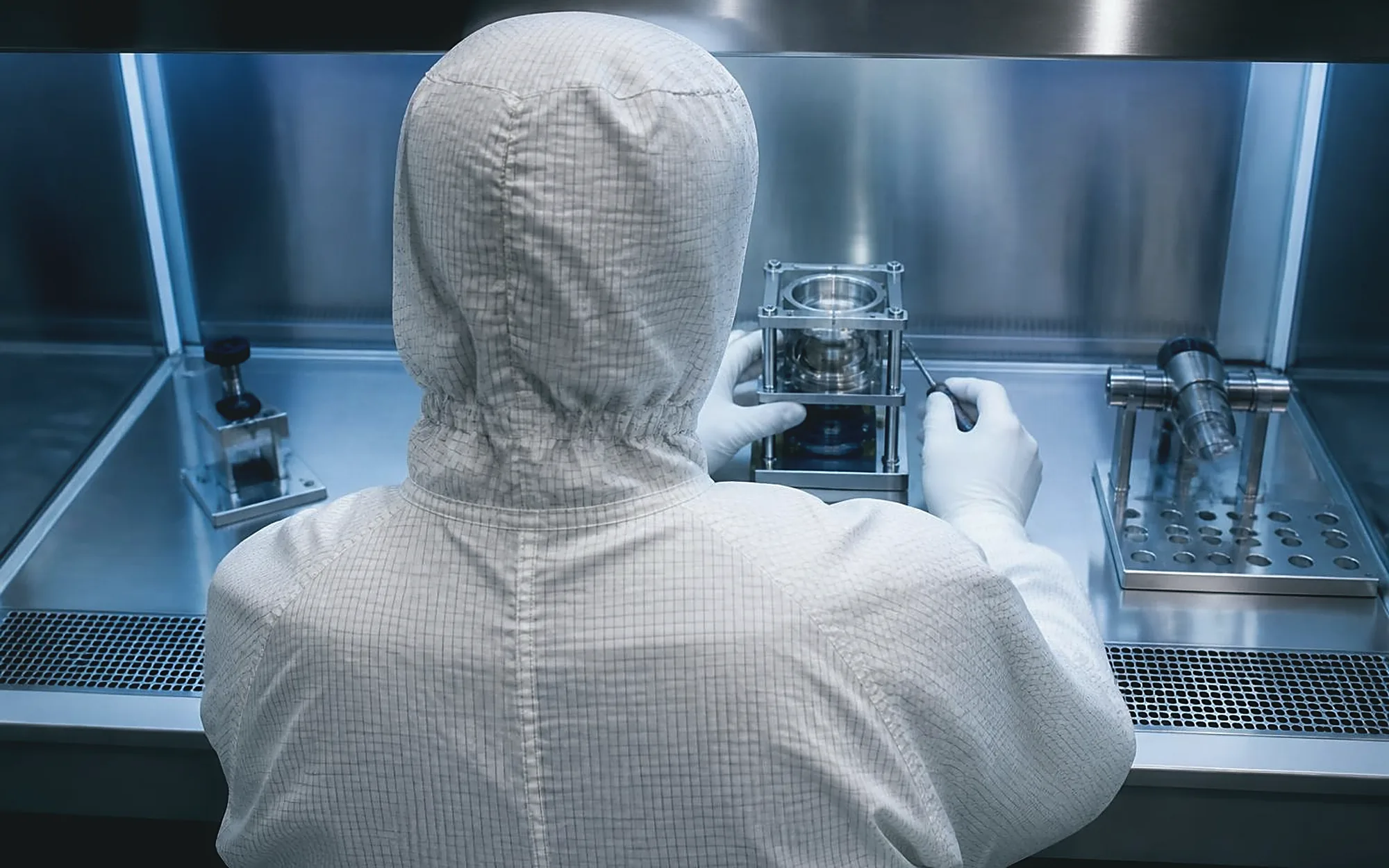
Sensor chambers are built in our clean room. Technicians build up the cooled base and chamber, install the sensor and record its serial number against the camera, and each assembly is checked for dust and debris before it moves on. The clean room and our workstations are set up for ESD protection.
08
Sealed chamber purge & backfill
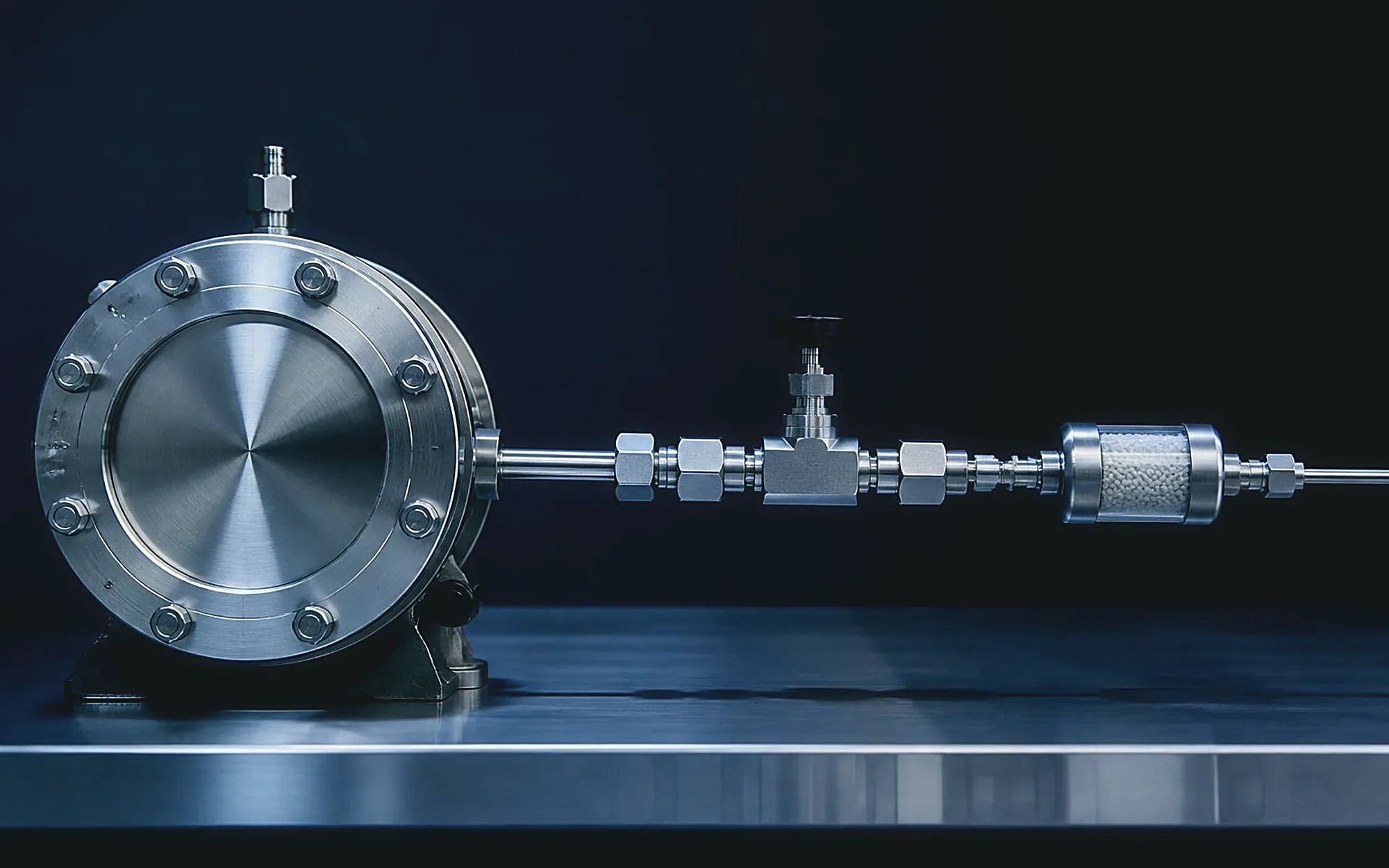
Cooled sensors need a dry, sealed home. Once the sensor is installed, the chamber is purged and backfilled with a dry inert gas, a desiccant charge is sealed inside, and the chamber is checked for dust once more before it is closed.
09
Multi-stage cooled camera testing
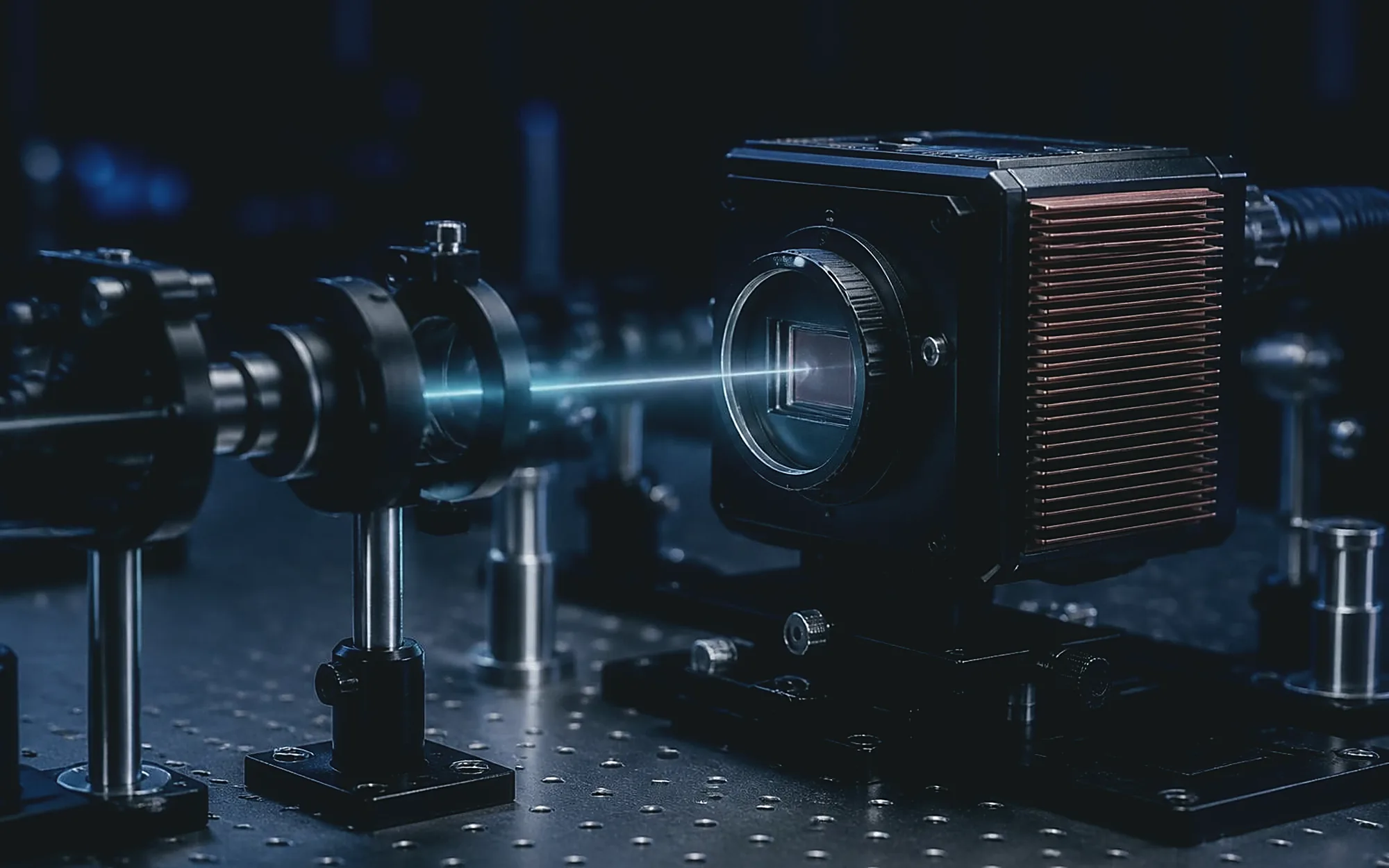
Every camera is tested at several stages. Pre-test runs once the sealed chamber is in its housing. An automated test sequence matched to the sensor type checks cooling, bias and sensor defects, and the camera is tested again after final assembly. Final images include dust and light frames, and the sensor is checked for level at all four corners, with the flange adjusted if needed.
10
Final QA
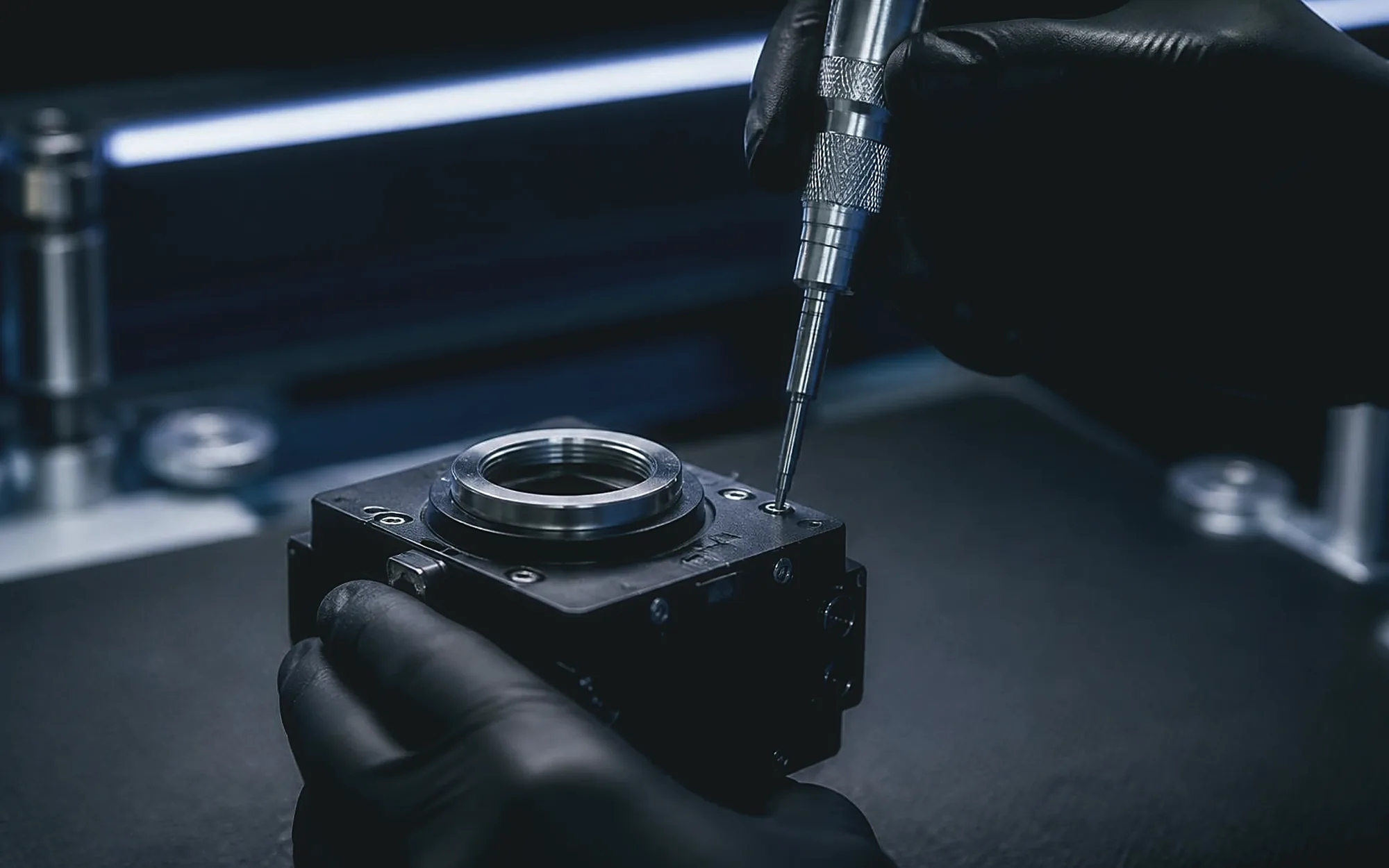
Before a camera ships, its serial number is checked against the build sheet and test summary. Every step on the build sheet must be signed off, the test summary must be stamped approved, and each screw is checked with a torque driver. The camera's test results stay on file under its serial number.